
Research & Development
Innovation for rock mechanics, oil & gas, and carbon storage
Pulser Technology Research
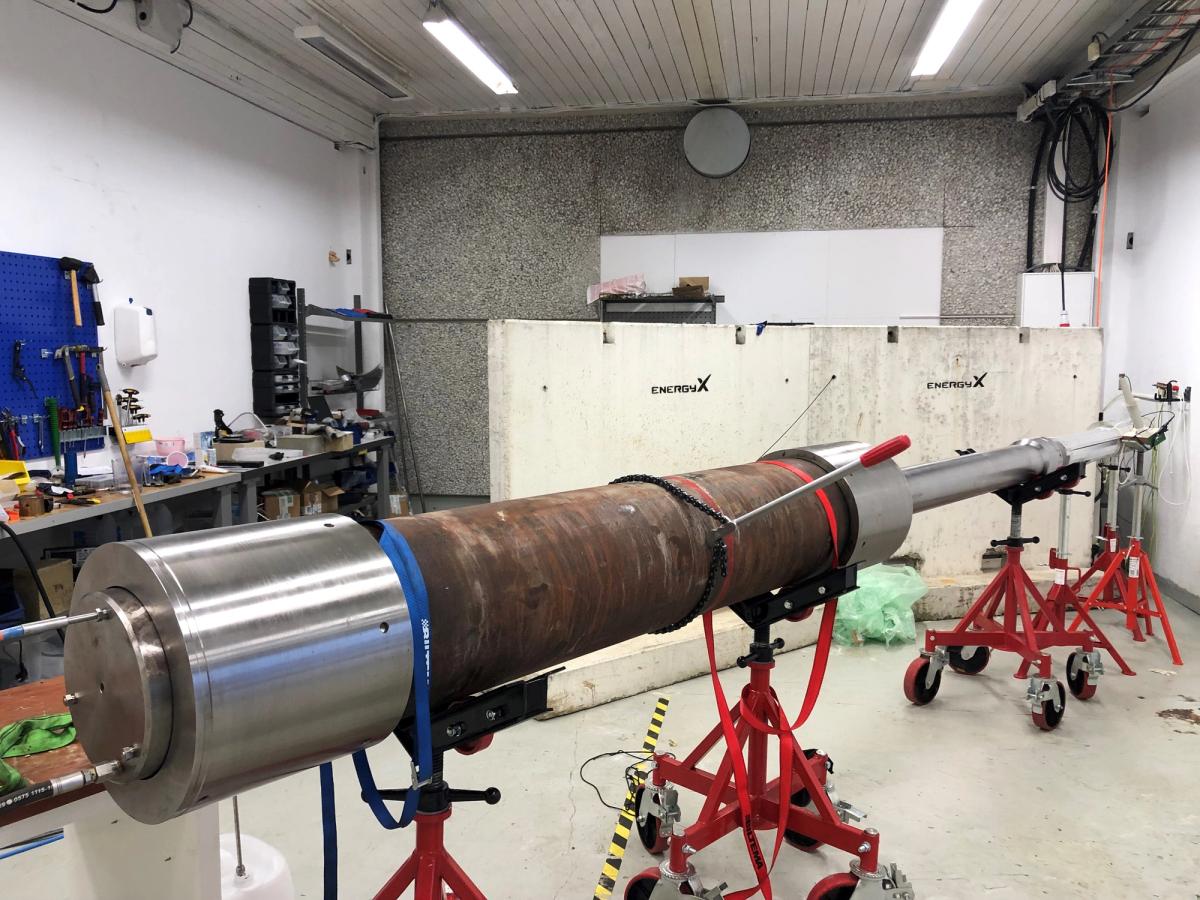
The main research activity is about increasing knowledge of the behavior of shockwaves, in particular in an environment with high pressure and temperature. The qLab is equipped with test facilities that allows testing under such conditions, in particular the three test cells that have been developed in-house. Research on how different materials react and perform during a pulser cycle to optimise the lifetime of a pulser sequence. Research to find the optimal configurations under different conditions. Research on plasma physics. Research of tool and part dimensions, and how it impacts the performance. Research on high voltage generation and release. Research on how to best generate a qWave perforation in different types of rock and mud conditions.
New Technology Research
The long experience with R&D on the pulser technology has lead to further innovations that have been added to the R&D pipeline. Several additional applications of the pulser technology have been identified and being matured. Some of these are related to rock mechanics, and some applicable for other purposes, such as well interventions and production performance. Other innovations are related to the qWave perforation and research into if and how the core technology may be improved.
Patents
The qWave technology is protected by patents. The pulser technology is patented internationally and protects the method and tools to created focused acoustic shockwaves in a well environment. Applications of the technology are also patented internationally, such as the application to measure minimum horizontal stress by first creating a qWave perforation. In addition, patent applications have been filed to protect the research into possible improved methods and tools to create a qWave perforation.
Development
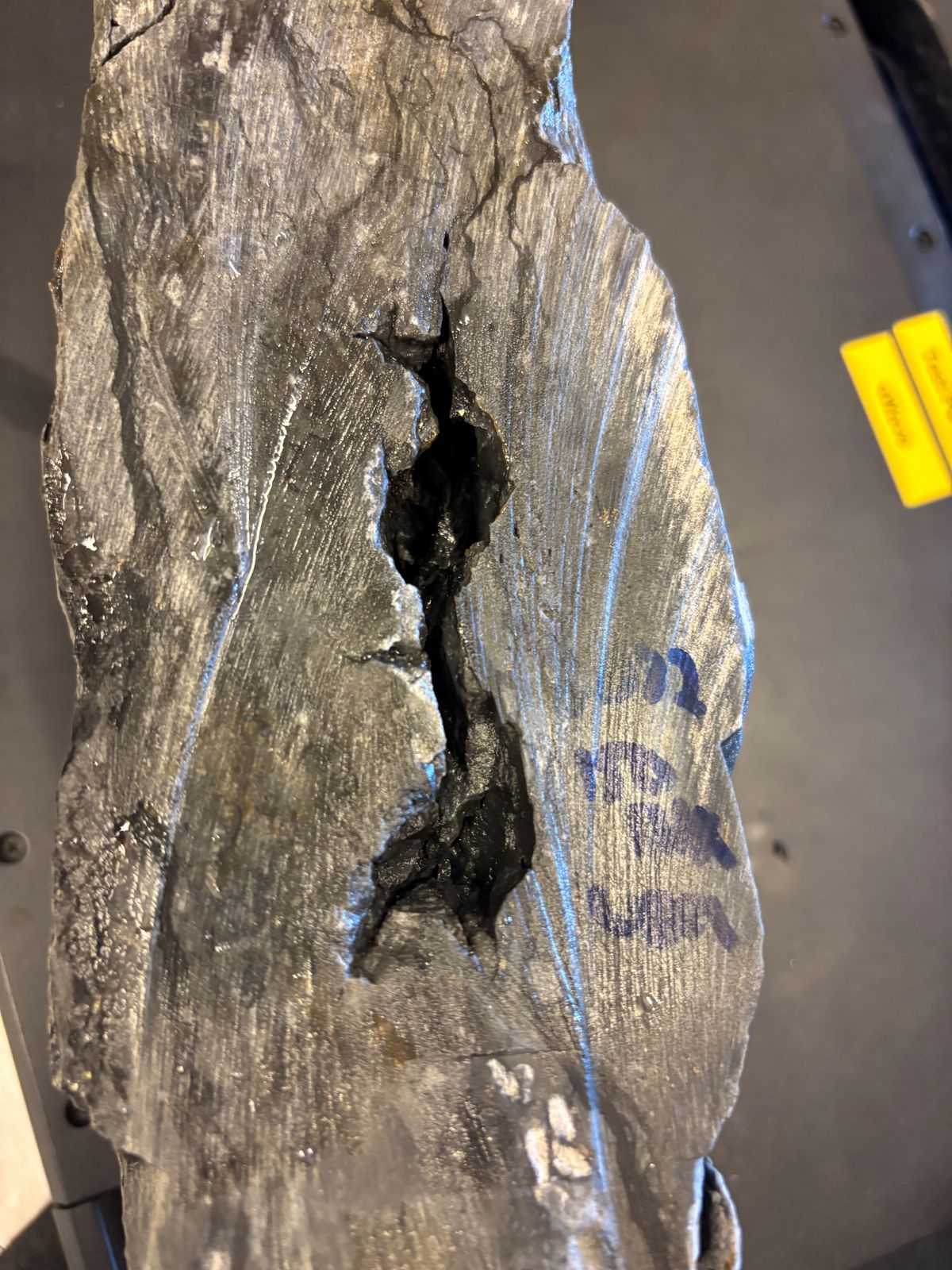
The development and testing of the qWave prototype and further research have significantly increased the knowledge of both technology and rock mechanics. A new version of the tool is now in progress of being developed, bringing all these learnings into a new version of the pulser technology that shall be able to operate under higher temperatures and pressure than the prototype. The new version will be designed for 8 1/2 inch well sections which required research into how the technology can be fit into smaller dimensions. The development project is currently in the design and engineering stage, with a plan to complete the tool development and testing during the next two years.
Why is R&D of new Rock Mechanics technology important?
Carbon Storage: Safe and economic CO2 storage requires a solid understanding of the horizontal stresses in the caprock, which serves as a sealing element to prevent leakage from storage reservoirs. Caprock is a critical component in these projects, preventing CO2 from migrating out of the storage areas. To assess how much CO2 can be injected, it's crucial to understand the stresses affecting the rocks. A better understanding of the caprock's properties can help increase CO2 injection volumes per well. By minimizing the risk of leakage, this will reduce storage costs and improve safety.
Oil & Gas: In-situ stress data plays a crucial role in various stages of oil and gas well planning, drilling, operation, and production, in operations which include drilling, well completion, well stimulation, production, and gas/water re-injection. Knowledge of in-situ stresses and mechanical properties of the rock formation is therefore a key part of wells drilling and production.