
Technology
Unlocking value through more precise rock mechanics data
Concept
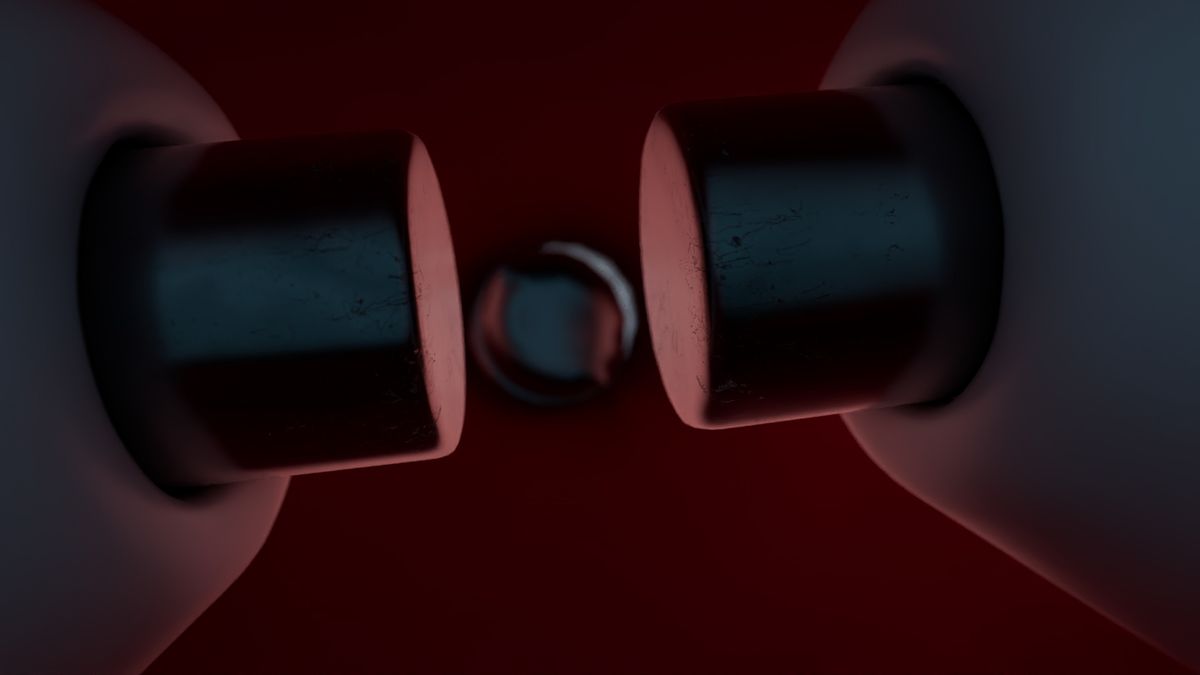
qWave has drawn inspiration from medical technology, particularly Extracorporeal Shock Wave Lithotripsy (ESWL), which is used to break kidney stones using acoustic shockwaves without surgical intervention. By transferring the principles from ESWL to well technology, qWave has developed a method using focused shockwaves to create a weak point in the rock formation, enabling more precise measurement of minimum horizontal stress, which is a key data point to assess caprocks in CO2 storage locations and oil & gas wells. The shockwave technology was developed in collaboration with Harald Eizenhöfer, former Research Director at Dornier MedTech Systems GmbH, and Hartlauer Präzisions Elektronik GmbH. The technology includes a shockwave generator with a capacity of up to 30,000 volts. By focusing the shockwaves, qWave is able to create a perforation several centimetres deep in the borehole wall. In-house developed pump and equipment are used to fracture the formation, and then to gradually close it until the minimum horizontal stress is measured. The fracture will initiate through qWave perforation making it possible to decide the fracture direction. This allows qWave to perform high precision measurements.
Limitations of current solutions
A common approach to measure horizontal stresses is a Leak-Off Test (LOT/XLOT). This is performed by first drilling out a section below the casing shoe, before applying pressure from the mud pumps on the rig to break down the formation. The limitation by this method is that the point of measure is only possible at one location, below the casing shoe, while stress data is needed at several depth in the well. A wireline straddle packer tool can deliver stress measurements at several depths, but there are limitations by current straddle packer tools. One limitation is that the direction to open a fracture cannot be determined or planned beforehand, resulting in the fracture to open and develop in undesired directions with the risk of inaccurate measurements. Another limitation is that the fracture will in most cases open where the pressure against the wellbore is at the highest, which is where the packer element intersects with the wellbore, leading to the packer interfering with the bleed-down sequence, resulting in inaccurate measurement of closing pressures. There are also examples where the tool(s) are unable to break down the formation due to high breakdown pressures, and operations abandoned without capturing the minimum horizontal stress. In summary, an XLOT limits the number of measurement stations in the well, and current wireline tools are limited by direction and initiation points of the fracture leading to uncertainties in the accuracy of the minimum horizontal stress data, and in some cases not able to break down the formation.
How qWave solves these limitations
qWave's shockwave technology directly addresses these limitations. By generating a focused shockwave, and by repeating it several hundred times, the shockwaves dig a perforation in the wellbore wall. This 2-4 cm deep qWave perforation ensures that when pressure is applied to the wellbore that the fracture initiates at the perforation. This means that the qWave technology can determine which direction the fracture shall open and also to ensure that the fracture initiates in the straddle zone to enable an optimal bleed down sequence and accurate measurement of the minimal horizontal stress. Also, the qWave perforation reduces the break down pressure increasing the likelihood of a successful operation. The technology enables the creation of a controlled fracture which causes the formation to breakdown at the desired point in the wellbore so that measurements can be done with far greater precision and be repeated at multiple stations in a single wireline run. It delivers accurate minimal horizontal stress data of caprock formations that are required by both oil & gas wells, CO2 storage projects, and to calibrate the operator’s geoscience models.
The tool
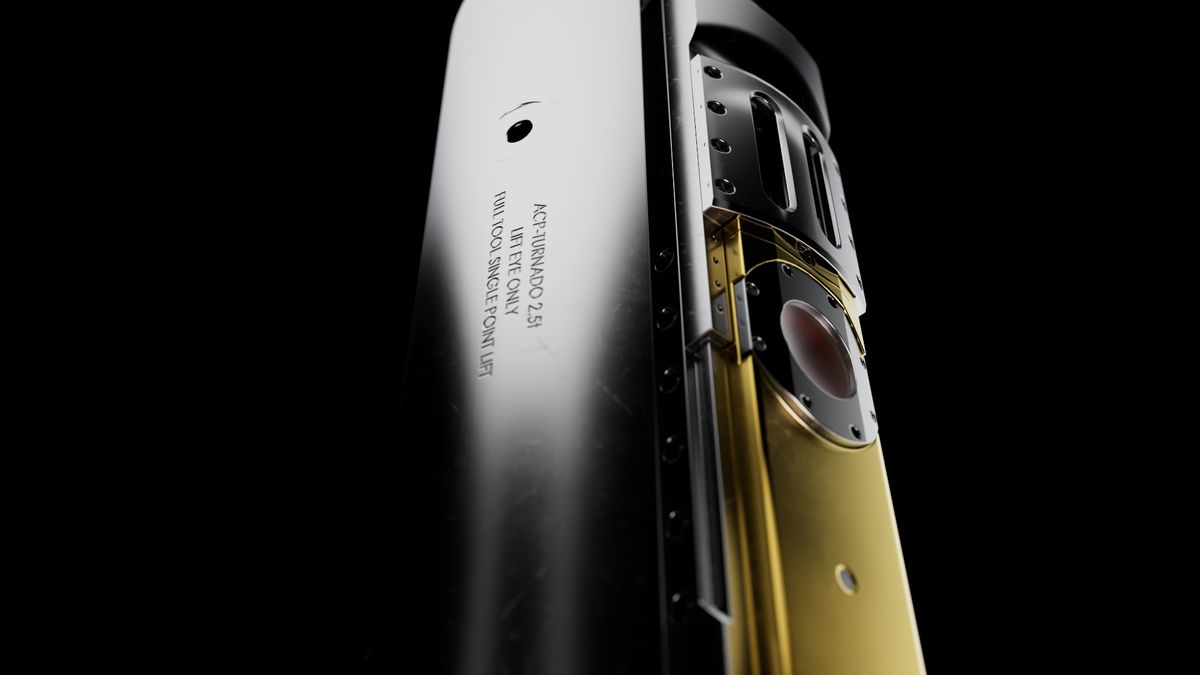
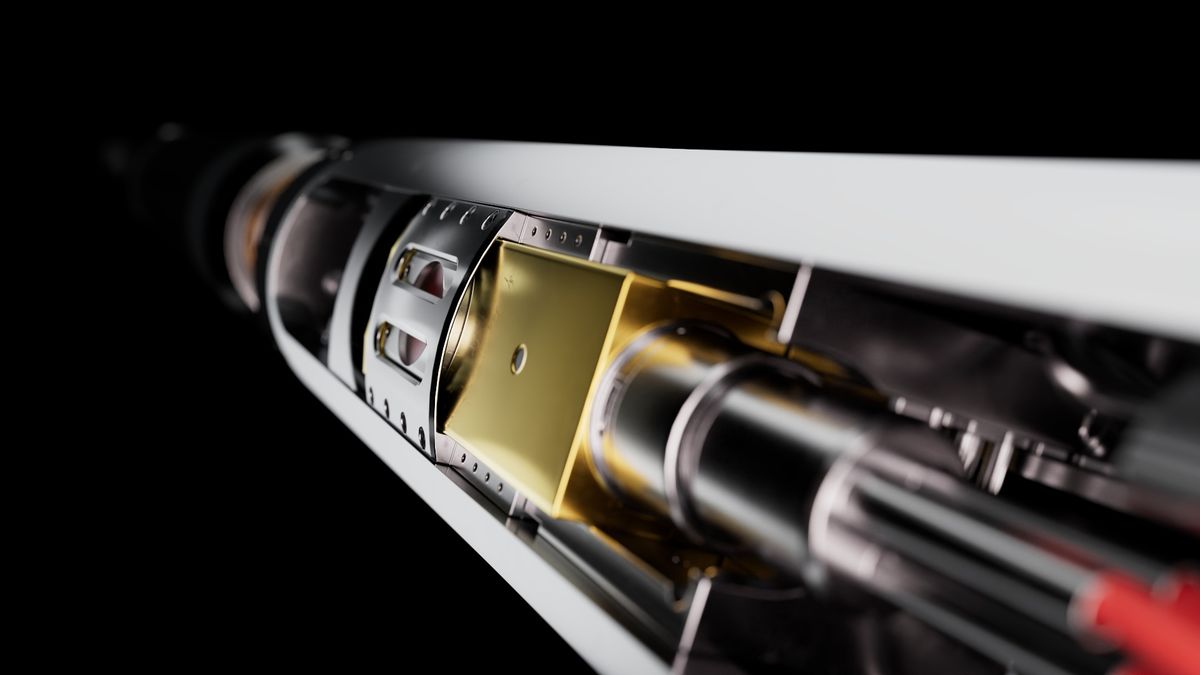
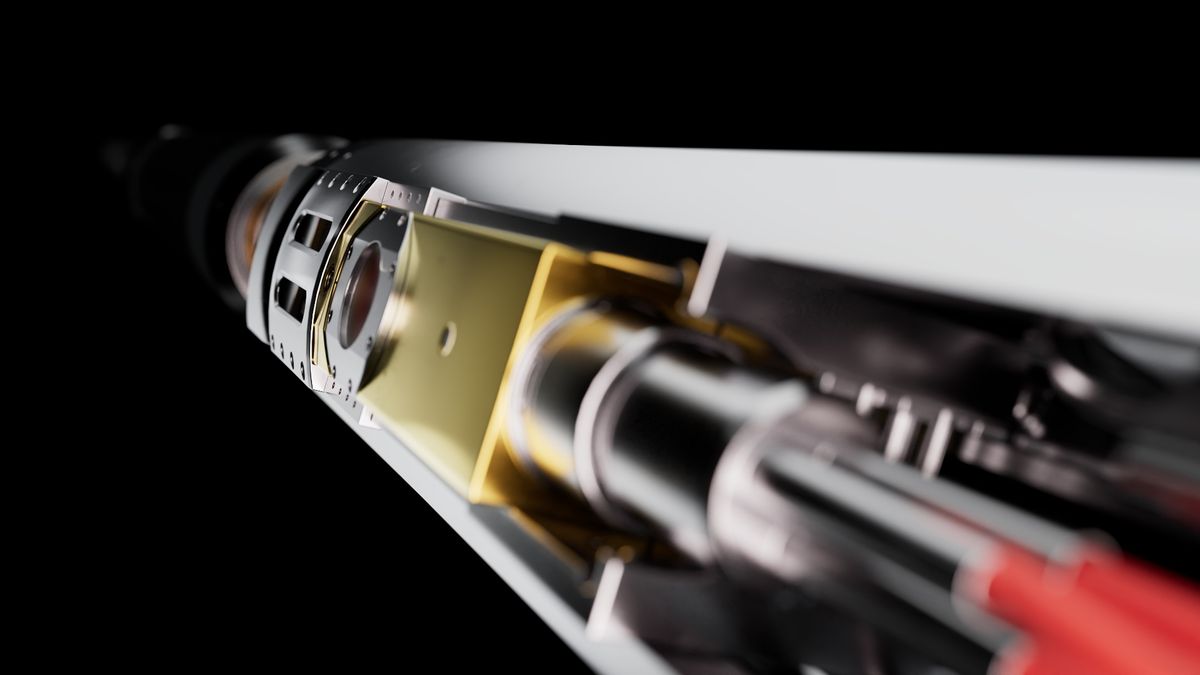
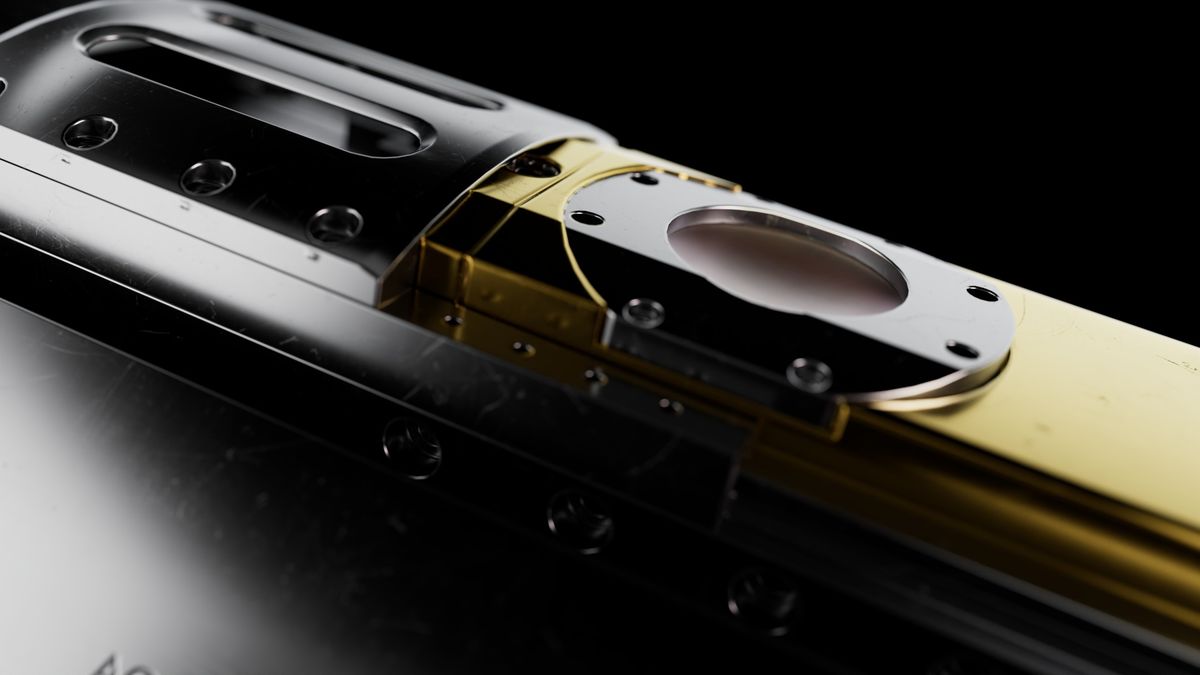
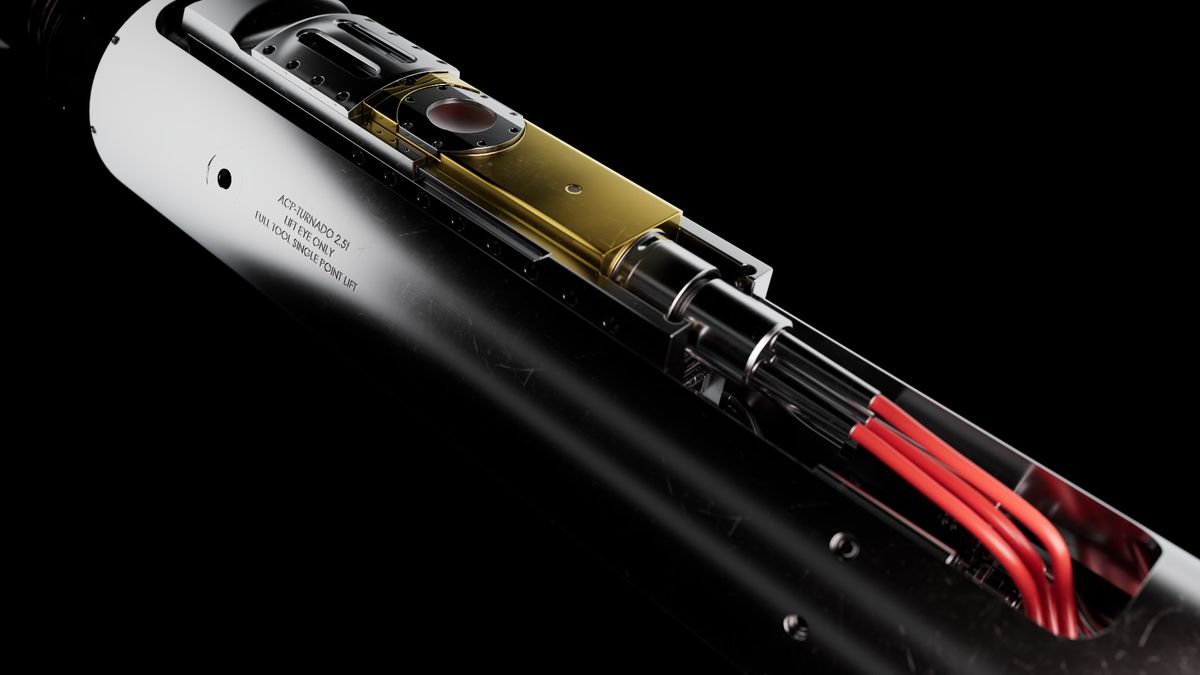
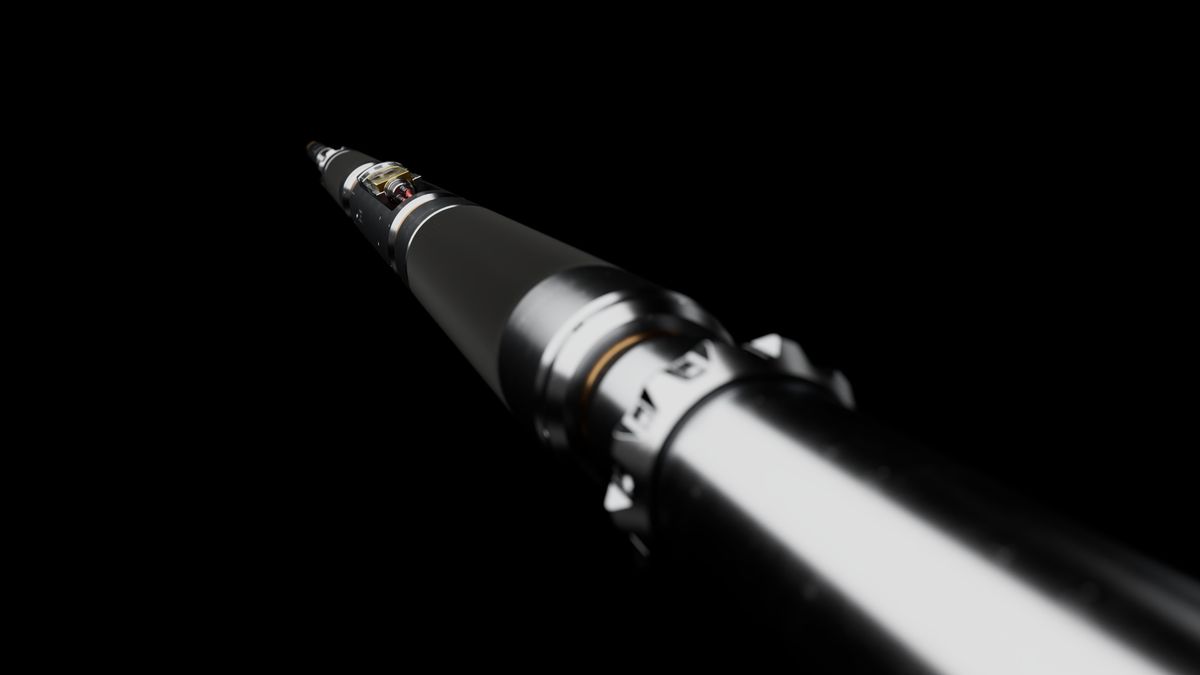
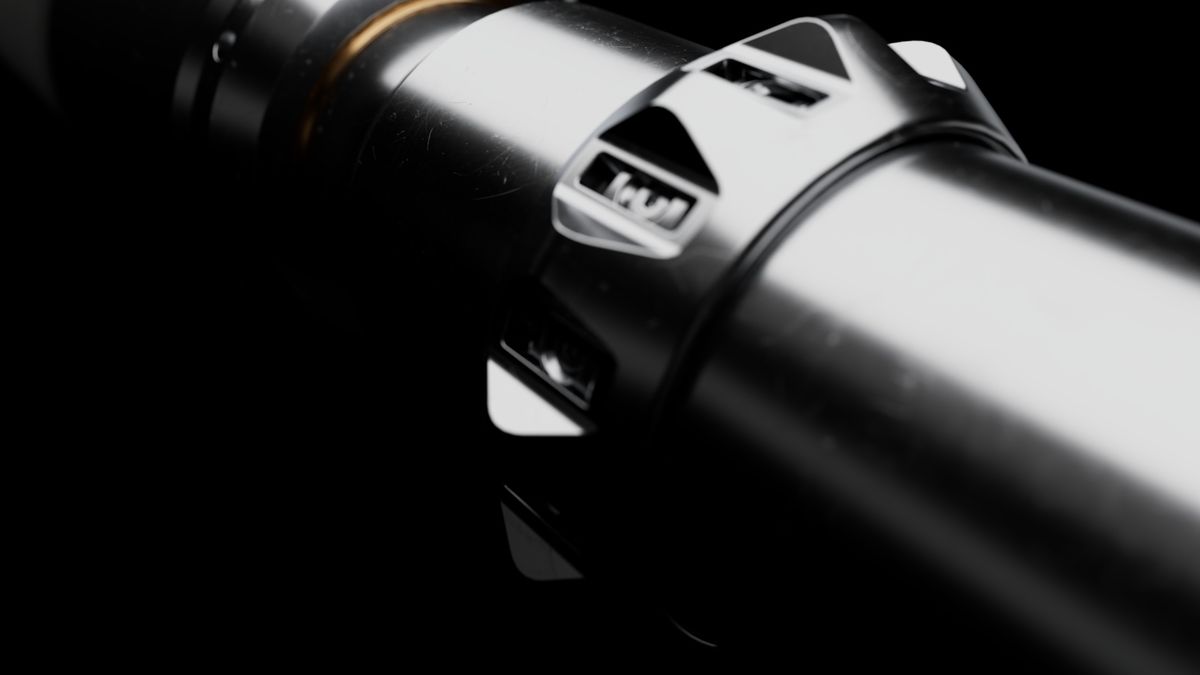
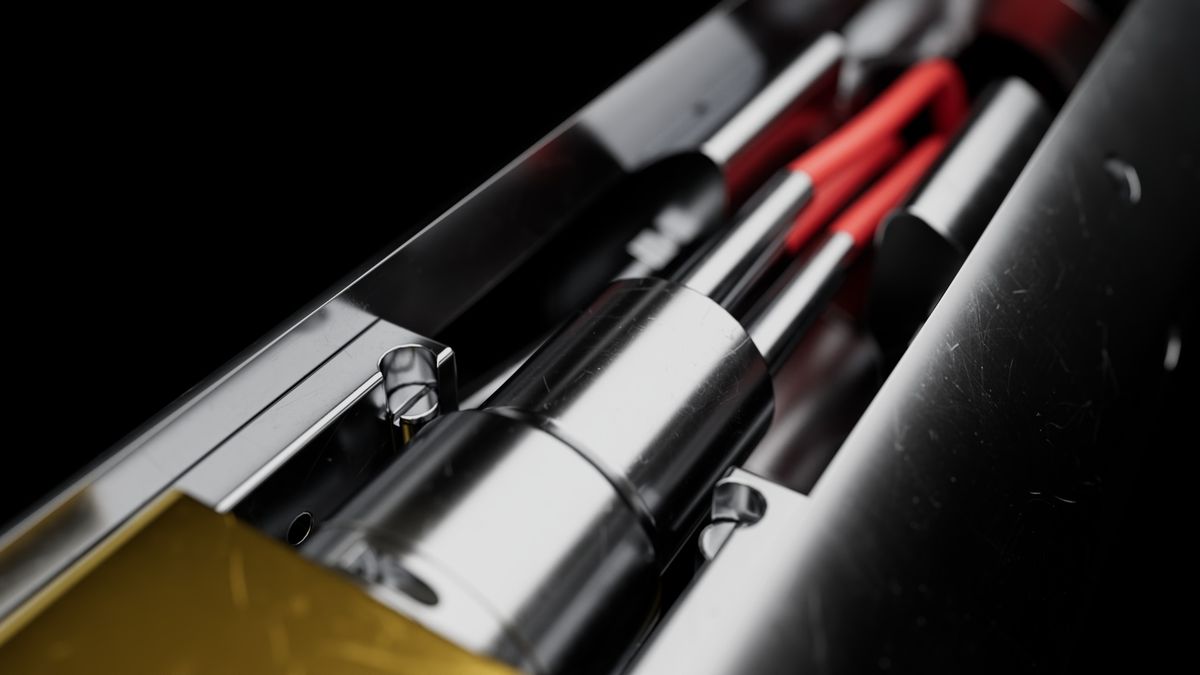
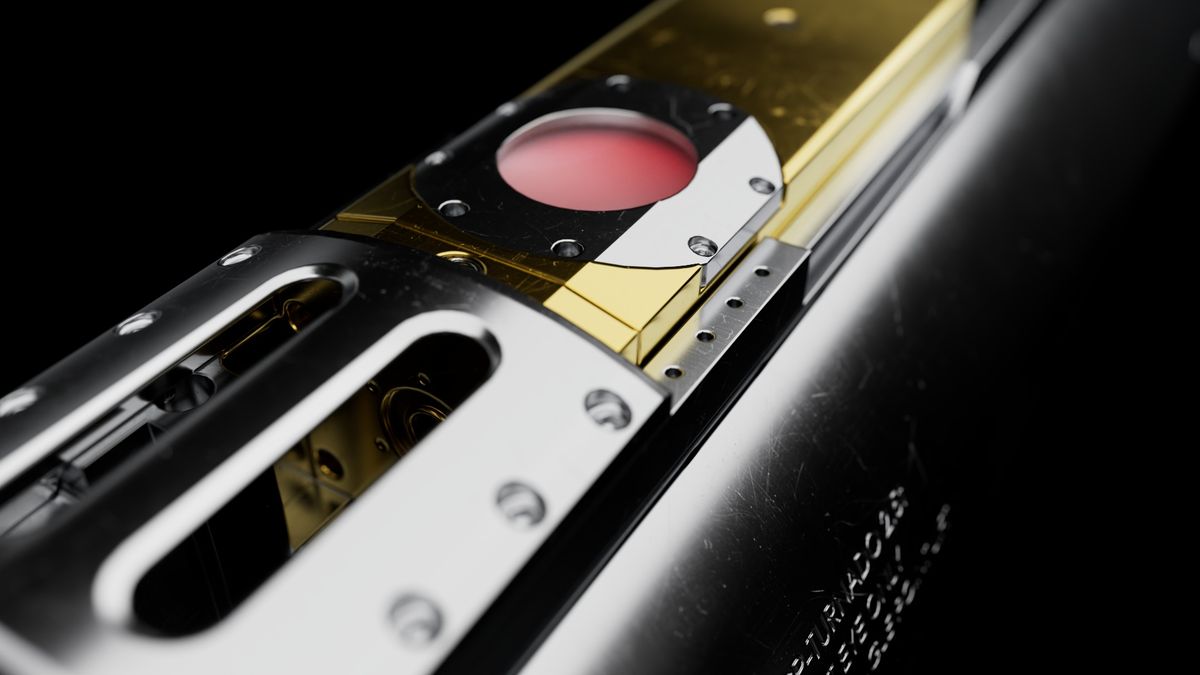
A prototype has been developed for 12 1/4 inch well sections. The tool applies qWave's proprietary pulser technology, which is to generate a high voltage charge that creates focused acoustic shockwaves. The tool also integrates a dual-packer system to isolate the test interval and a pump to control fluid pressure through each test cycle. The hydraulic pump is a product of Wave’s own R&D. Also developed in-house, is a complete constant choke bleed-down system to control the pressure reduction for optimal measurement of the fracture closing pressure. The electronics and high voltage systems have been developed in cooperation with technology partners, enabling the prototype to operate with any wireline providers.
Prototype testing and demonstration
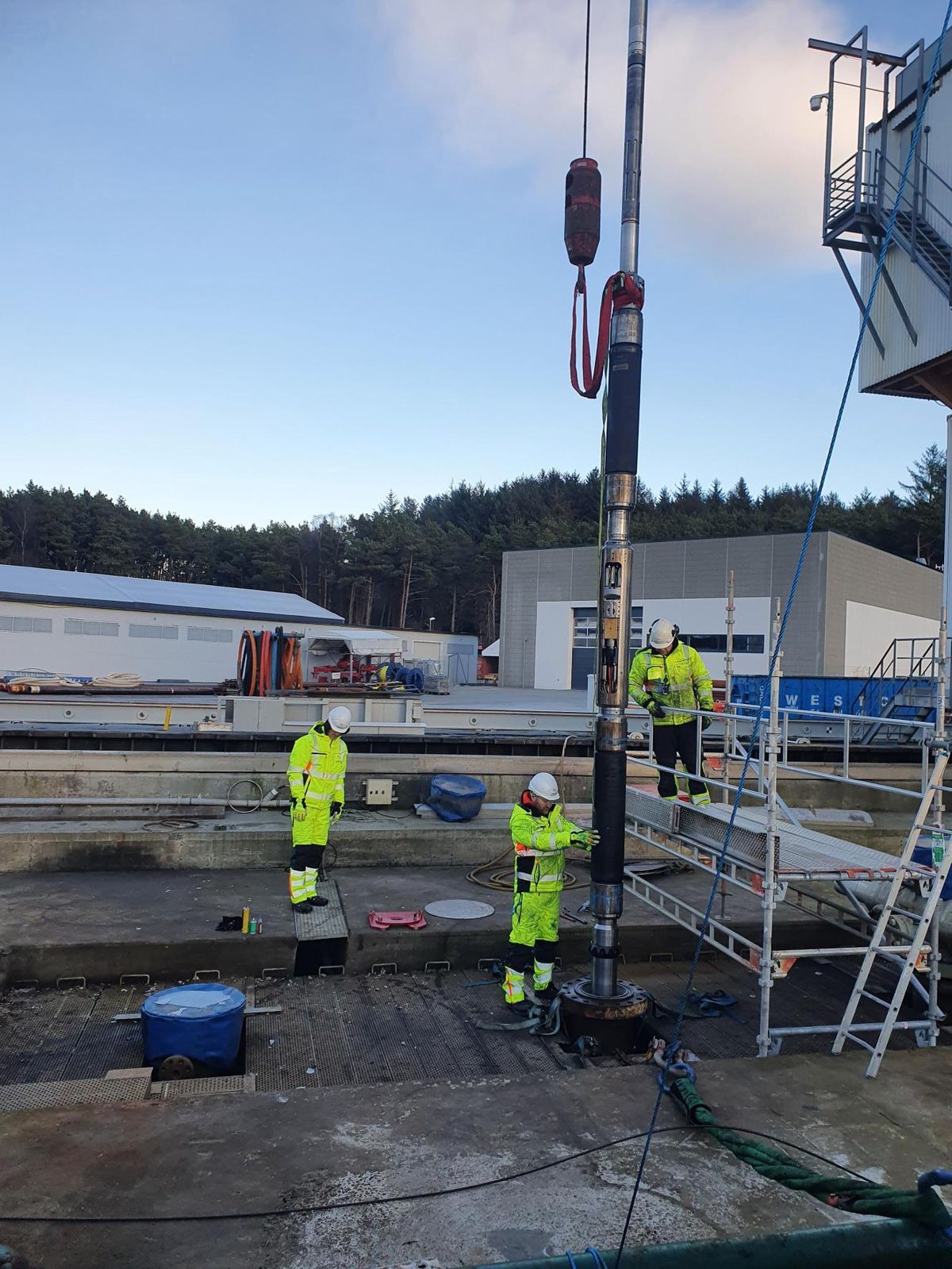
The technology has already shown promising results. The prototype has been successfully tested. The first integration test took place in September 2023 at NORCE/Ullrigg in Stavanger, which was the first time the technology was tested in well conditions, and this provided many learnings. A second integration test took place at Ullrigg in November 2023 where the tool proved to be functional under realistic well conditions. Some improvement areas were identified during these two first tests and it was decided to upgrade parts of the tool, leading to a successful demonstration at Ullrigg in March 2025. An offshore field test was completed in June 2025. Some parts of the offshore field test program was completed successfully, and some parts are inconclusive, and the prototype has since been significantly upgraded and is currently being prepared for a second offshore field test. An important learning from the offshore field test is how important it is to test new technology in a real well, although much of the technology can be tested in the qLab and at Ullrigg, it is almost impossible to fully simulate real well conditions.